

There is one sentence young people today use a lot, and it almost never means what it says.
“I hate my life.”
It slips out at 7 am, while getting ready for a job they don’t mind. It gets said over dinner, laughing. It gets typed under a meme and gets three thousand replies of “so real” from strangers who agree completely.
Once upon a time, hating your life used to be a confession. It was said rarely, to a trusted person, if it was said at all. And it always had something to blame: the marriage gone wrong, the job you were chained to, the debt with your name on it. The hatred could be pointed at.
A sentence that once meant a crisis is now said by Gen Z as a casually relatable statement.
And as the pattern goes, the elders drew the obvious conclusion: the words have stopped meaning anything. These kids are dramatic, ungrateful, and just doing it for a trend.
Well, a few things don’t seem to sit right with that conclusion.
The first. Ask a young person what exactly they hate, and there is a pause, then the answer: “Nothing really. Just, like, all of it?” They don’t point at anything specific but just everywhere.
The second. If you offered them their parents’ life at 24, a friend’s life, or a clean restart. They would refuse. After life-hating jokes, almost all of them would choose this life again tomorrow.
A generation that hates a life would not trade it for anything. When did hatred become a paradox?
They live in moments, not in their life
Ask a twenty-something-year-old what is the one thing they are happy about in their life, and the answer comes in the form of a future event. The weekend plan, the trip in October, the visit home during holidays.
There is always something on the horizon, and it is doing more work than anyone realises.
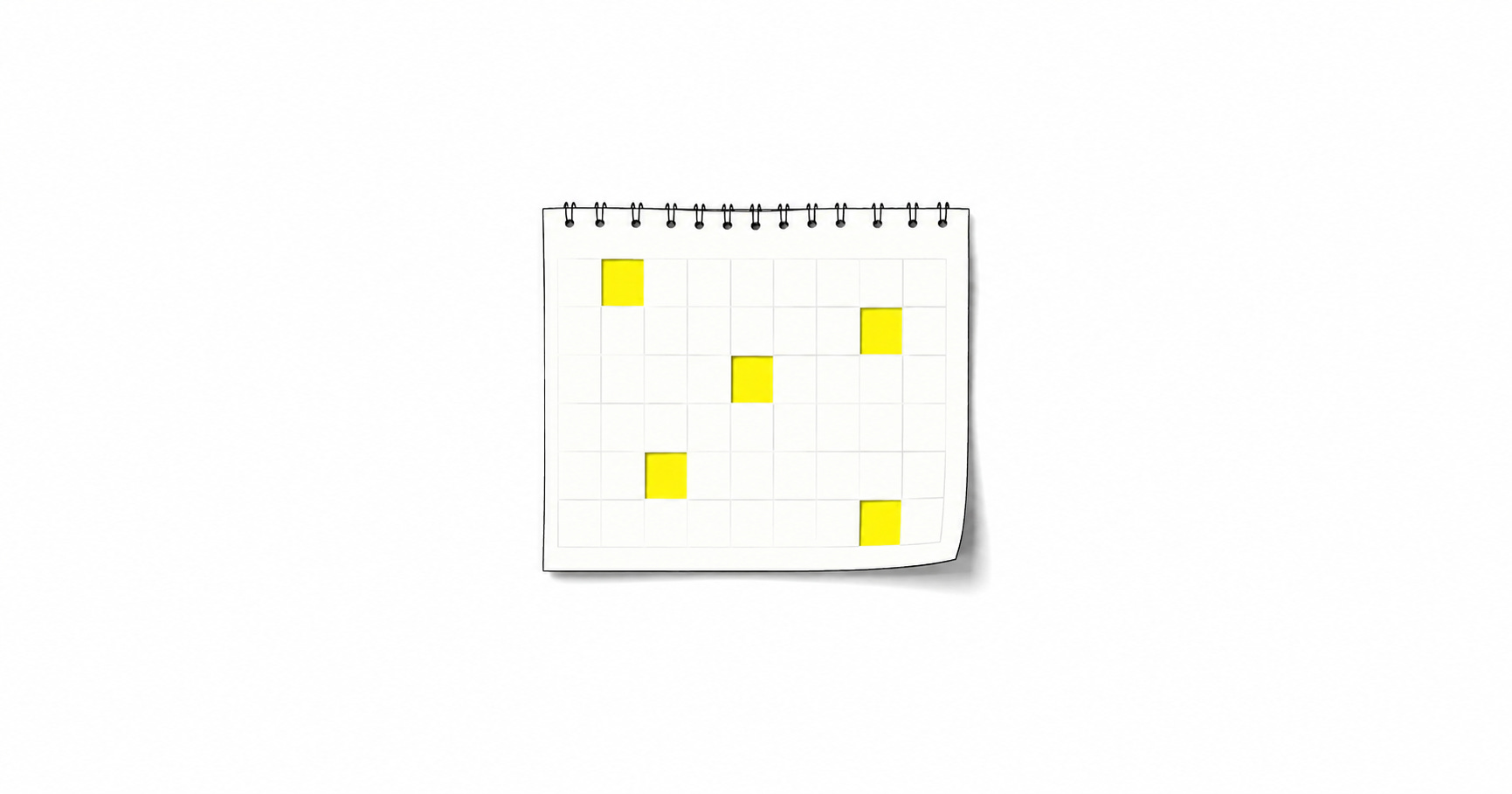
And this structure makes the ordinary weeks stacked between now and the thing look as if none of it is life. The work commute, the weekday meals, the daily conversation are just the corridor between lives.
And when life is the vacation, the hangout, the visit home, then life is maybe thirty days a year, and the other three hundred and thirty-five are filler. Most of their hours become dead time. Of course the total reads as “I hate my life”.
Ask them to imagine the next four months with no trip, no event, no break in the pattern, just the routine running uninterrupted, and watch them dread it. A routine that was okay this morning becomes unbearable the moment it is all there is.
But nobody sits down at 22 and chooses to classify their own weekdays as dead time. The classification has been taught to this generation.
All content they have ever seen shows life as an escape. The trip, the concert, the getaway, each one has thousands presenting it as the real living, the thing the daily grind exists to fund.
The feed shows the wedding, the trek, the concert, the airport. Nobody posts their commute. So a young person scrolls through hundreds of moments a day, all of them exits, and the ordinary week that makes up most of their existence appears nowhere.
A person cannot see their daily life as the real thing when everything they see, all day, insists that real life is what happens elsewhere, on the days off.
Nothing gets to happen to them for the first time
There is a small disappointment this generation knows very well, which exists even in their good times: nothing feels wow to them anymore.
Like for them, the vacation they looked forward to for months was good. Not incredible, not life-changing. Just nice. The beach looked the way beaches look. The famous cafe was fine.
Standing at the viewpoint, there was a feeling of yes, this is nice, followed by a strange flatness, followed by a small guilt about the flatness, because the trip cost money and leaves.
And underneath the guilt, they realise that things don’t hit the way they used to. Maybe something in them is broken.
But the wow was never produced by the thing itself. It is produced by the gap between what a person expected and what arrived.
A roadside meal can surprise you if you expected nothing. The most spectacular view on earth makes you feel almost nothing if you knew exactly what it would look like.
The intensity of a feeling doesn’t increase with the quality of the experience. It increases with the surprise inside it. Take away the surprise and the same experience arrives as “meh”.
And surprise has been removed from almost everything in today’s lives.
The vacation is on their feed for a month before the flight. The hotel is toured in reels. The viewpoint is seen from forty angles, in better light, with better editing.
The feeling the trip was supposed to deliver got spent in advance, in instalments, on a screen.
This runs far beyond travel. The concert comes after the livestreams. The restaurant comes after the review videos. Even the big life moments come after watching a hundred strangers narrate the same moment in detail.
And while reading, a lot of you might be thinking “so just don’t see social media that much”. Only if it were that easy, we wouldn’t have an article on these kids’ behaviours.
This isn’t a habit they can simply drop, because previewing is how anything gets found now, and money and leaves are too scarce in today’s economy to gamble on unknowns. Checking first is the rational move. It just costs the feeling.
They love the individual things, hate the collection.
Try setting your favourite song as your morning alarm. Within two weeks, you will start hating the opening notes. The song didn’t change, it just got attached to a job.
Something very close to this happened to young people’s lives.
Walk through a young person’s week and count what they dislike. The job? They like the work; if not, it’s okay but still not bad. The gym? They will tell you that they love working out. Cooking food? Calming for some.
The routine is mostly made of things they chose and would choose again. But the week built from these things is making them into someone who jokes about hating their existence.
Because what a person loves is never just the activity. It is the activity plus the conditions around it.
The workout that is loved is unhurried, chosen that morning, answerable to no one. The cooking that is calming comes with no clock running, nobody waiting. The work that is liked is the work itself, on a day when it stays just work, when ten things do not arrive together.
Strip the conditions and the chosen becomes compulsory. And a young life today delivers every loved thing with the conditions stripped and a standard bolted.
The workout happens after work, tired, and has acquired a grade, because a person on the feed has a better body, so rest days have started to feel like falling behind. The cooking happens at 9 pm with no opt-out, because eating out daily is unaffordable. The work never ends.
And all of this is invisible. Parents look at the week and see a person doing things they claim to enjoy, and conclude the complaints make no sense. The young person looks at the same week, agrees that every item is good, and concludes the problem must be them.
Life is a playlist of songs they love, played all at once without a break, and everyone keeps inspecting the songs.
The obvious cure is to slow down. Do fewer things, space them out, give each one its air back. You really think they haven’t thought of it?
Almost none of them can do it, because slowing down now in today’s world has a price: everyone else keeps going. The person with the better body does not take rest days. The colleague does not log off at six. The friend is doing a course on the side.
Every unhurried hour is an hour someone, somewhere, converted into progress, and this generation can see that. Giving margin is falling behind.
Hating your life is how they say hello
Coming back to the jokes themselves, there is one more thing underneath it.
There is something called co-rumination: talking about problems with someone extensively, revisiting them, dwelling together on the negative feelings. And studies have found that it builds closer, higher-quality friendships. And it deepens sadness and anxiety. Both.
The same conversations that bond people also sink them.
So the “I hate my life” is a bid for connection. Posting “why is being alive so expensive” is not a financial report, it is an open hand, and every “so real” it collects is the cheapest available form of being seen.
Negativity became this generation’s most dependable social glue.
But the mechanism runs both ways. Bonding over hating life deepens the hating, and the deepened hating produces more material to bond over.
But in no way is this a cry for help. A generation is just trying to say: I would not give up this life. I would just like to be able to feel it.
I especially liked the idea that young people don’t necessarily hate the individual parts of their lives, but the way everything comes together.
The part about social media taking away the surprise from experiences really made me think. We see the destination, the food, the concert, and even other people’s reactions before experiencing them ourselves.
But I’m left wondering: are young people truly hating their lives, or have we simply become better at expressing ordinary dissatisfaction through the language of “I hate my life”? And how much of this comes from social media itself, versus the pressure to constantly compare, achieve, and keep moving?
Maybe the bigger question is not why Gen Z hates their lives, but why an ordinary life no longer feels enough.
I hate how much i can relate to this article!